Security Training in Ireland
C&T Security Group provides practical security training support for people entering the private security industry in Ireland and for existing security workers who want to upskill or add to their licence options.
Our training focus includes Security Guard and Door Supervisor routes leading to QQI Level 4 awards, supporting learners who want to work in static security, retail security, construction site security, event security, licensed venues, reception security and wider front-line security roles.
The aim is not just to get learners through a course. The aim is to give learners a proper foundation in professional security work, including communication, conflict management, access control, reporting, legal awareness, personal presentation and practical decision-making.
QQI Level 4 Security Training | Security Guard Training | Door Supervisor Training | Practical Security Skills | PSA Licence Support
Security Training for New Entrants
If you are new to the security industry, the first step is choosing the correct training route for the type of security work you want to do.
Security Guard training is suited to learners who want to work in static security, construction site security, reception security, retail security, warehouse security, corporate security, access control and general guarding roles.
Door Supervisor training is suited to learners who want to work in licensed premises, event security, venue security, nightlife security, front-of-house security and roles where door supervision duties are required.
These courses are designed to give learners a recognised education route into the industry, with practical skills that can be used in real security environments.
Security Training Routes
Security Guard Training
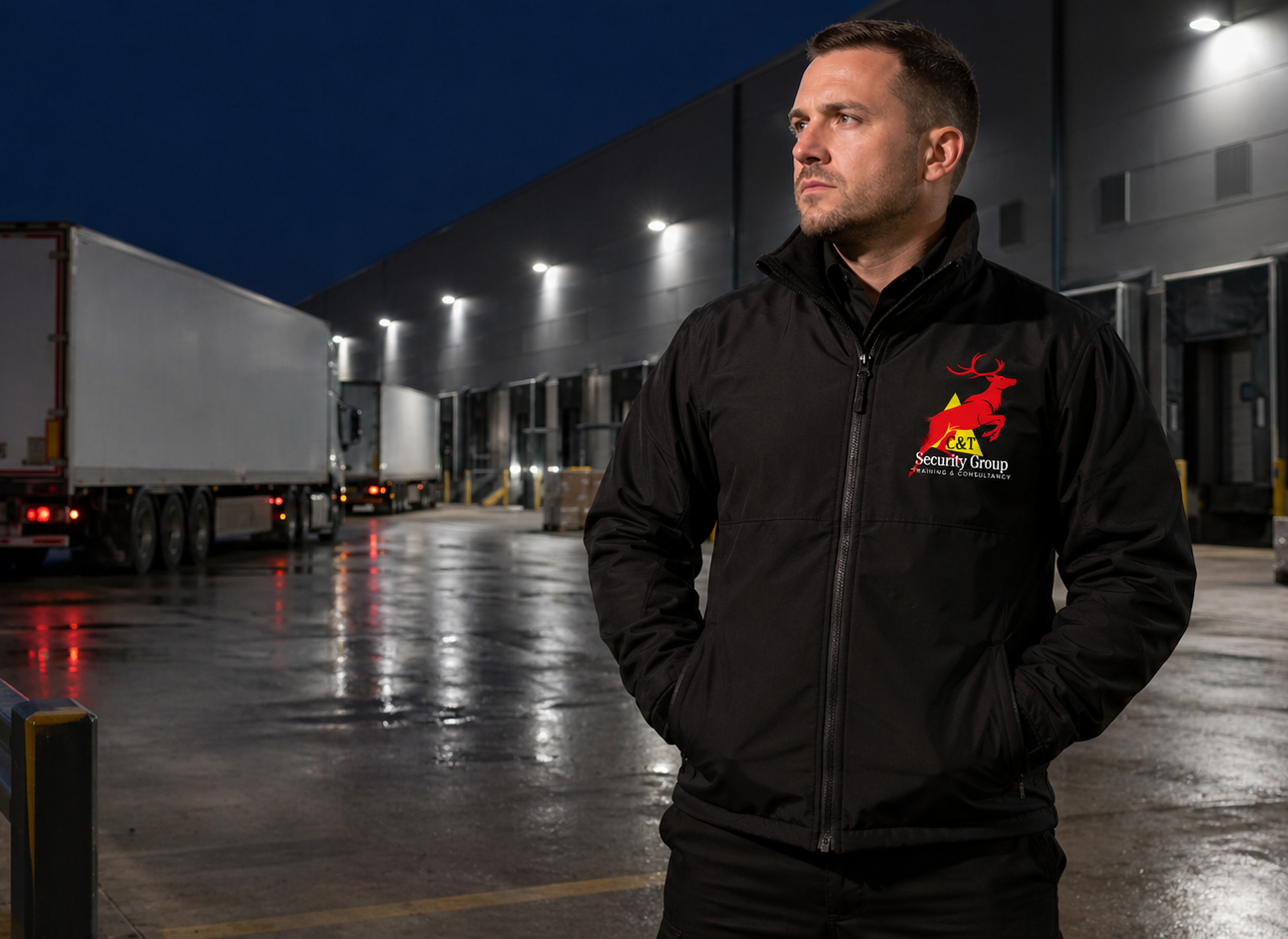
Security Guard training is suitable for learners who want to work in static guarding, site security, reception security, retail security, construction site security, corporate security or general security officer roles.
Door Supervisor Training
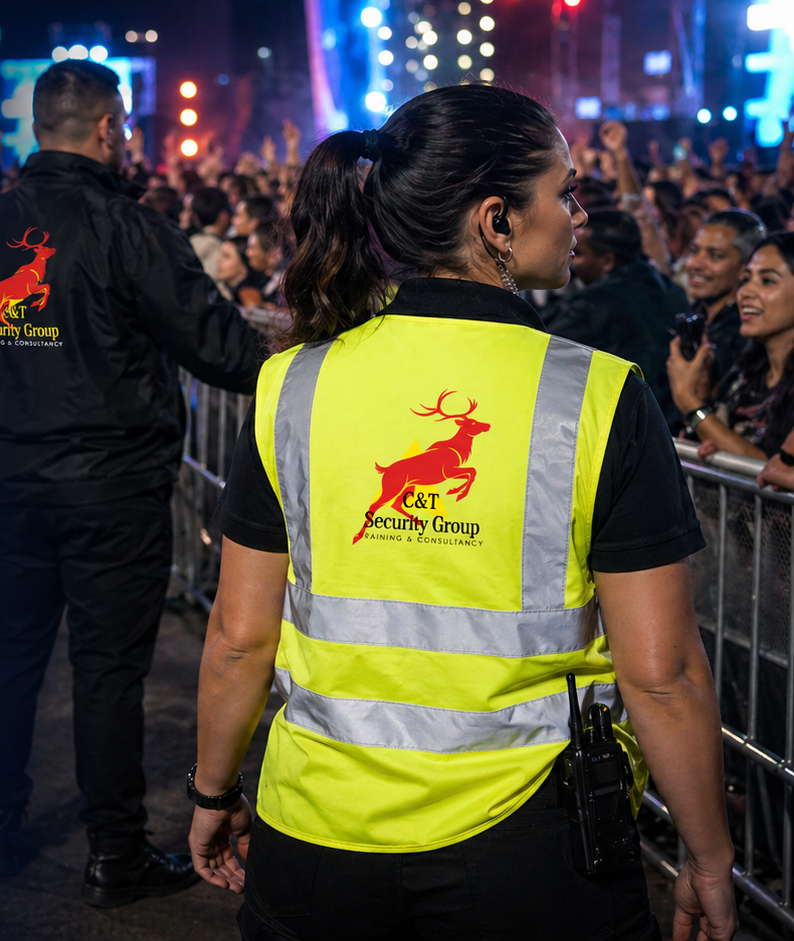
Door Supervisor training is suitable for learners who want to work in licensed premises, pubs, clubs, venues, events and front-of-house security roles where door supervision duties are required.

Education, Skills and Career Development
Good security training should do more than meet a minimum requirement. It should help learners understand the responsibility that comes with working in security and prepare them for the realities of front-line security work.
C&T Security Group places strong focus on practical understanding, professional behaviour, communication, confidence, awareness and sound judgement. Learners are encouraged to think beyond simply passing the course and to understand how the training applies in real workplaces.
Security work can involve dealing with members of the public, protecting property, managing access, handling difficult behaviour, responding to incidents and representing a client or employer professionally. The right education gives learners a stronger start in the industry.
What You Learn During Security Training

Communication and Conflict Management
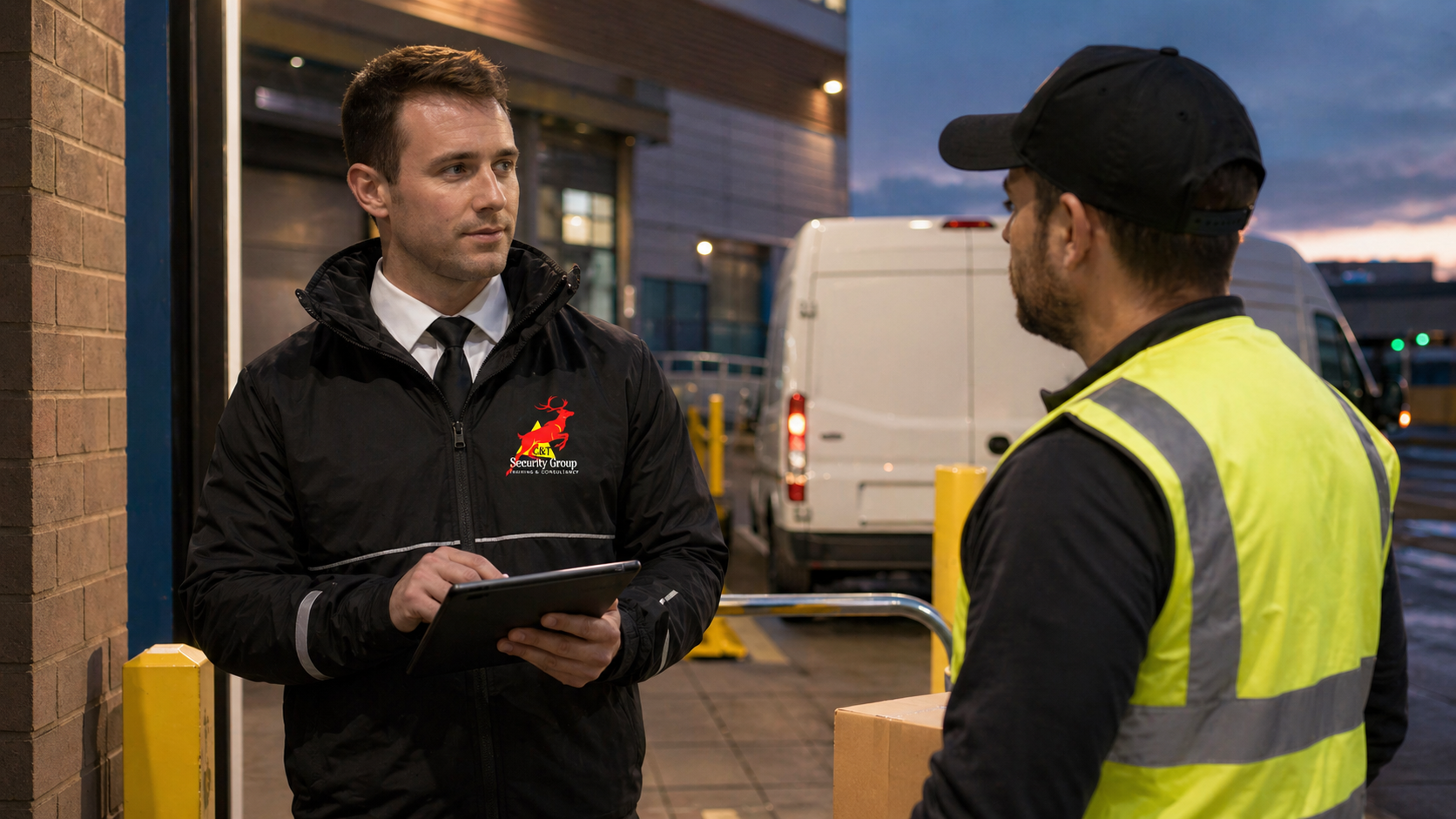
Building confidence in communication, de-escalation, recognising risk early and managing difficult situations in a calm, professional and lawful way.

QQI Level 4 Security Training
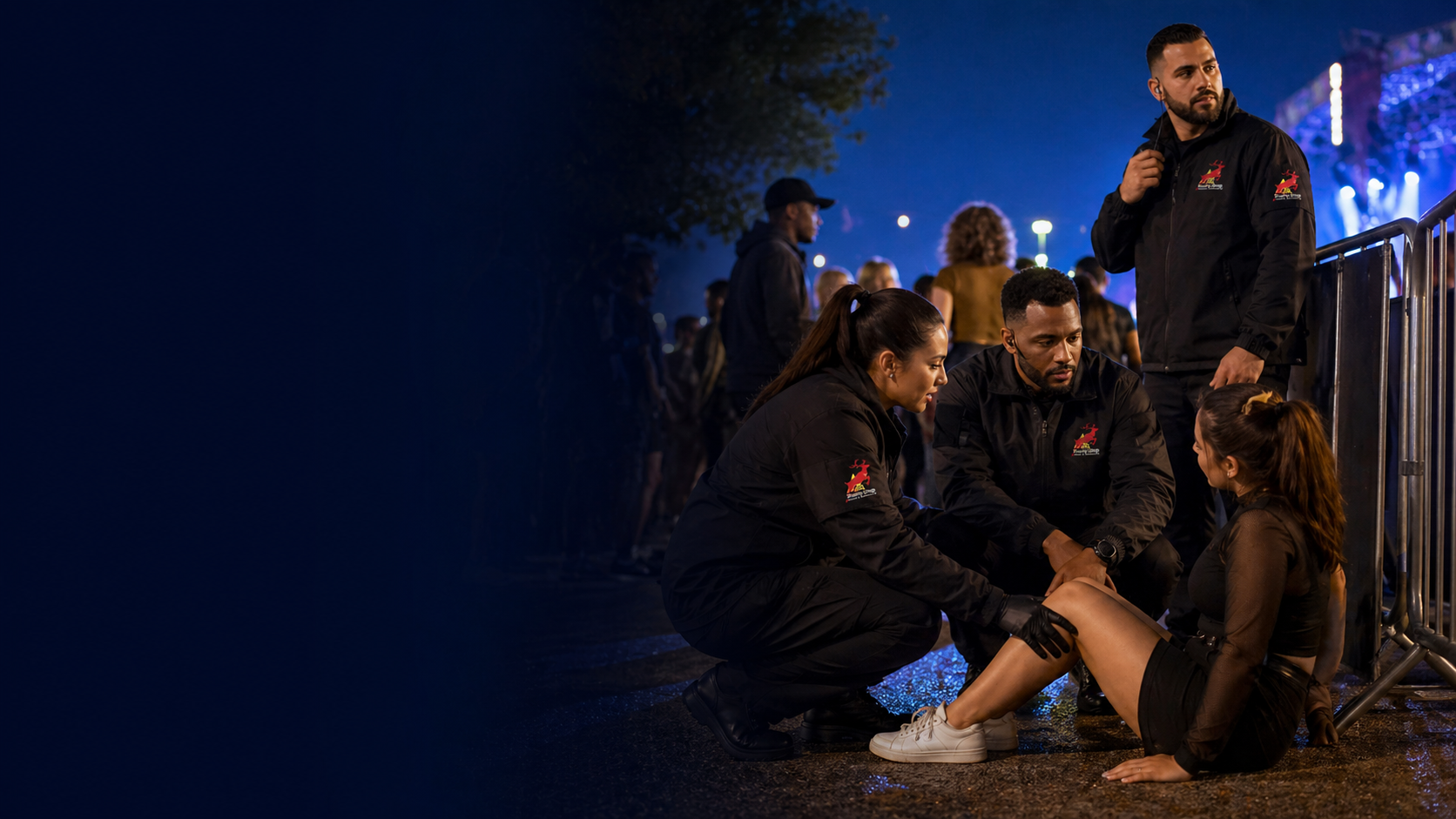
The Security Guard and Door Supervisor training routes support learners working towards relevant QQI Level 4 awards linked to private security industry licensing.
QQI Level 4 certification gives learners a recognised education outcome and provides a formal training foundation for applying to work in licensed security roles.
Once learners successfully complete the required coursework, attendance and assessments, results are processed through the appropriate certification route. The official QQI certificate is issued once final results and certification processing are complete.
C&T Security Group can guide learners on the next steps after training, including approximate certification timelines, learner documentation and how training links to the PSA licence application process.
QQI Level 4 Pathway | Practical Security Skills | Industry Entry Support | PSA Licence Application Guidance
PSA Licence Application Support
Learners who want to work in licensable security roles must follow the current Private Security Authority application requirements for the licence type they are applying for.
After successful completion of the required coursework, attendance and assessments, learner paperwork is submitted through the appropriate process for results and certification.
Where applicable, a TRF, or Training Results Form, may then be issued by the Security Institute of Ireland after successful course completion and submission of the required paperwork.
The TRF was originally introduced as a temporary support document to help successful learners apply for a PSA licence while waiting for the relevant QQI certification cycle to be completed and receive their QQI certificate.
C&T Security Group does not issue TRFs. TRFs are issued by the Security Institute of Ireland where the learner has successfully completed the required training and the necessary paperwork has been submitted.
Learners must complete the required coursework, attendance and assessments properly before any result, TRF or certification process can move forward.
Course Locations
C&T Security Group may support security training in Carlow, Dublin, Laois and other suitable locations, subject to course demand, venue availability and confirmed training dates.
Additional locations may be considered where there is enough demand from learners, employers or groups requiring training.
Exact venue details, dates, attendance instructions and course requirements are provided after registration or booking confirmation.
Course Information and Booking
Course dates, locations and availability may vary depending on demand, venue availability and the training route selected.
C&T Security Group can provide information on upcoming Security Guard, Door Supervisor and combined training options when you register your interest.
Pricing, course dates and booking details are provided directly to learners, employers or groups once the correct training route has been confirmed.
Course requirements, attendance details, assessment information and next steps will be confirmed before booking.
Register Today
Register today and take the first step into the security industry with C&T Security Group.
Registration
Security Training FAQs
What level is Security Guard and Door Supervisor training?
Security Guard and Door Supervisor training routes support learners working towards relevant QQI Level 4 awards linked to private security industry licensing.
Do I need training before applying for a PSA licence?
Yes. Learners applying for a PSA licence for a licensable security role must complete the required training for the licence type they are applying for.
What is the difference between Security Guard and Door Supervisor training?
Security Guard training is usually suited to static guarding, retail security, construction site security, reception security, corporate security and general guarding roles. Door Supervisor training is usually suited to licensed premises, venues, nightlife security, event security and front-of-house security roles.
Can I complete both Security Guard and Door Supervisor training?
Yes. Many learners choose to complete both routes because it can give them wider employment options across the private security industry.
Do I receive a QQI certificate?
Successful learners receive the relevant QQI certificate once final results have been processed and certification is complete.
What is a TRF?
A TRF is a Training Results Form. Where applicable, it may be used as a temporary support document after successful course completion while the learner waits for the relevant QQI certification cycle.
Where are the courses held?
Courses may be available in Carlow, Dublin, Laois and other suitable locations, subject to confirmed dates, venue availability and demand.
Start Your Security Training
If you want to start a career in security or add to your existing licence options, C&T Security Group can help you choose the correct training route.
Register your interest today and our team will contact you about upcoming course dates, locations, requirements and next steps.
Register Today
Register today and take the first step into the security industry with C&T Security Group.